Description
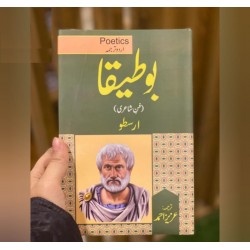
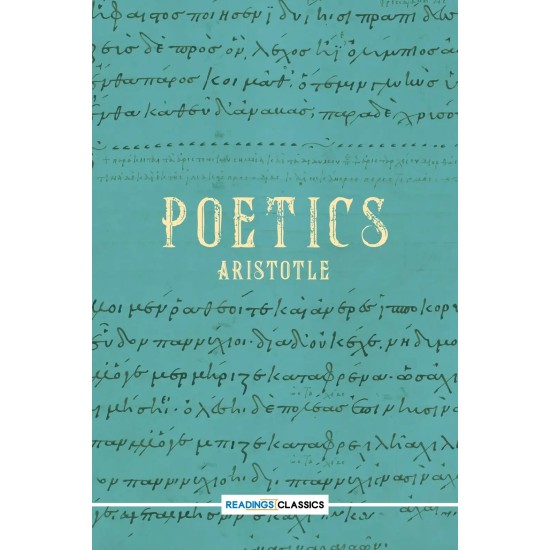
One of the earliest and most influential works of literary theory, Poetics offers a systematic analysis of the principles underlying poetry and dramatic art. Composed in the 4th century BCE, it examines the nature of tragedy, epic poetry, and imitation (mimesis), identifying key elements such as plot, character, diction, and spectacle. Aristotle's famous definition of tragedy-as an imitation of serious action that achieves catharsis through pity and fear-remains central to the study of drama and narrative.Concise yet profound, Poetics combines philosophical rigor with practical insight, shaping critical thought from classical antiquity to the modern era. Its emphasis on structure, unity, and emotional effect has influenced writers, dramatists, and critics for centuries. Despite its fragmentary survival, the work endures as a foundational text, illuminating the enduring power of storytelling and the formal principles that govern artistic expression.
About Aristotle
Aristotle was an ancient Greek philosopher and scientist, who pioneered many contemporary disciplines. Together with Plato, Aristotle is regarded as a founding figure of Western philosophy. He was born in 384 BCE in Stagira, Chalcidice, Greece. His works have served as the basis for many philosophical movements including Renaissance, Reformation and the Enlightenment. Aristotelian thought also influenced Medieval Islamic philosophy. A lot of jargon, terminology and lexicon in philosophy has been borrowed from Aristotle's work.His intellectual range was extensive and included logic, history, ethics, biology, chemistry, political theory, psychology, metaphysics, philosophy of science, and philosophy of mind. His work remained unsurpassed in zoology until the 19th century. His writings on metaphysics and political theory are still debated in contemporary philosophical and political studies. He died in 322 BCE, in Chalcis, Euboea.
| Book Attributes | |
| Pages | 70 |