- Writer: Rizwan Ullah Kokab
- Category: Politics Books
- Pages: 668
- Stock: In Stock
- Model: STP-15643
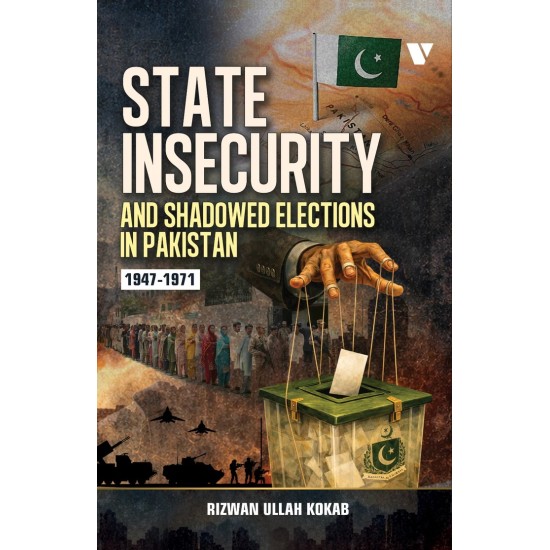
Elections are designed to answer the most fundamental and contested question in politics: who should rule the state? Yet the electoral process is far more complex than the casting of ballots. It begins with legislation and extends through delimitation, preparation of electoral rolls, scheduling, registration of political parties, candidate selection, formation of alliances, scrutiny of nomination papers, allocation of symbols, campaign activities, polling procedures, counting of votes, announcement of results, and the adjudication of disputes. Each stage carries its own political calculations, negotiations, and contestations.
A historian of electoral politics must therefore examine not only outcomes but also the intricate tactics and institutional maneuvers that shape the process from beginning to end. This book presents a comprehensive historical analysis of all elections held in Pakistan from 1947 to 1971, situating them within the broader political and social context of the country’s formative years.
Covering parliamentary, presidential, and local government elections, the study explores pre-election developments, legal frameworks, political dynamics, and electoral outcomes. It also assesses how social cleavages, state structures, and political uncertainties influenced voter behavior and institutional design. Central to the book is the argument that both the theory and practice of elections in Pakistan during this period were deeply conditioned by the security anxieties of the ruling elite and the state. Ironically, the 1971 elections—intended to stabilize the federation—ultimately failed to preserve it.
Based on primary sources, including official records, contemporary reports, and first-hand accounts, this work offers an authentic and critical historical account of Pakistan’s early electoral experience.
About the Author
| Book Attributes | |
| Pages | 668 |